What are the early warning signs of debt?
Spotting the early warning signs of debt can help you take control before things get worse. Debt problems rarely happen overnight.
They often start with small changes, like dipping into your bank overdraft or losing sleep over money. Knowing what to look out for means you can get support sooner and protect your financial wellbeing.
How do I know if my debts are becoming a problem?
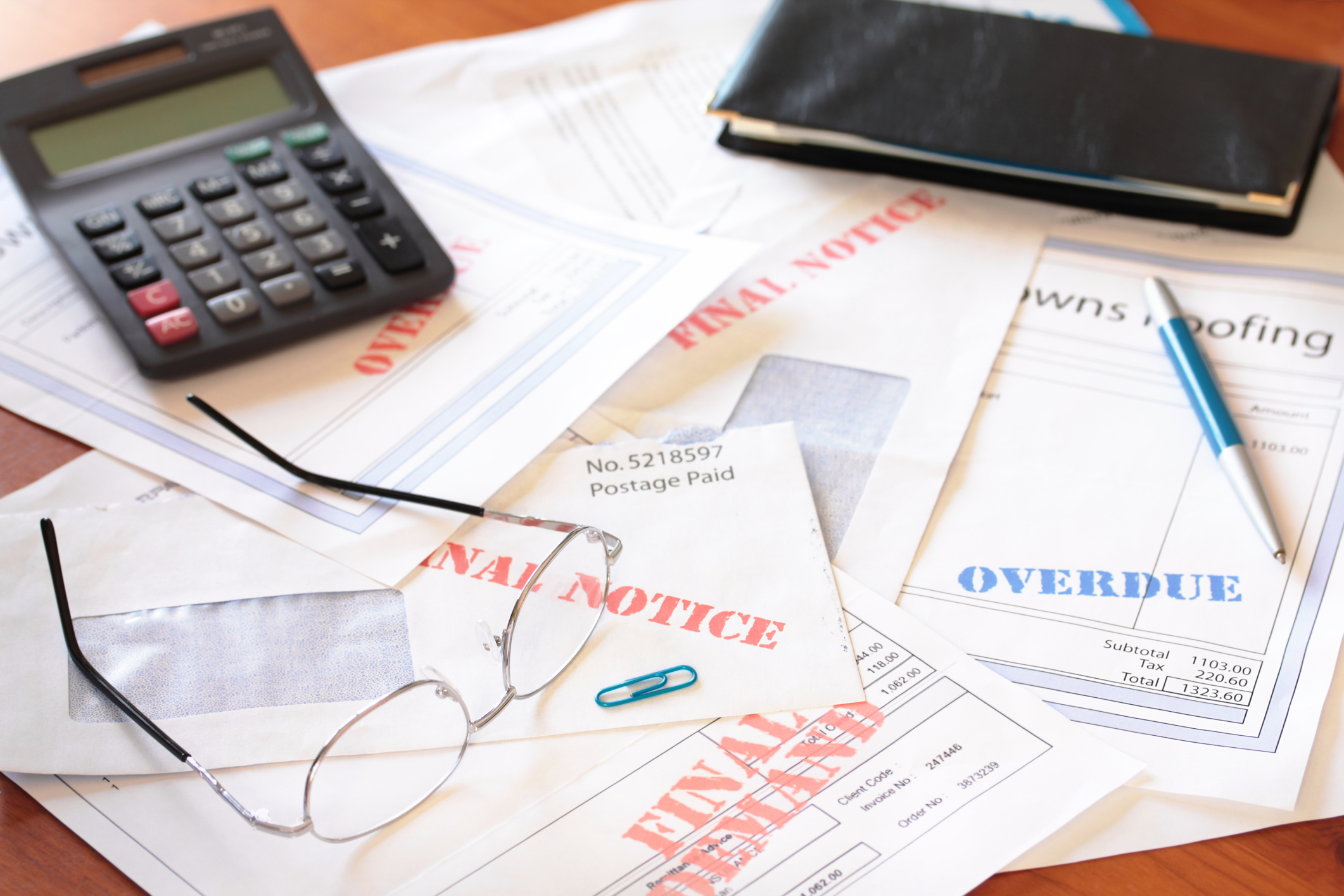
It is easy to push money worries to the back of your mind. You might find yourself ignoring official letters or leaving bills unopened. Some people hide their financial struggles from their partner or family because they feel ashamed.
Losing sleep over how much you owe is a very clear sign that your debts are affecting your daily life. If you do not know the total amount you owe or the interest you are being charged, it is time to take a closer look at your finances.
Are you struggling to cover priority bills?
Priority bills include your rent, mortgage and council tax, gas and electricity.
These are the most important costs to cover because falling behind can have serious consequences. A major warning sign is regularly paying these bills late or missing payments completely. You might find that you can pay your bills on time but then run out of money for food and basic living expenses.
Dipping into your savings to cover everyday costs is another sign that your budget is no longer working.
What is the minimum payment trap?
Only paying the minimum amount on your credit cards each month is a common warning sign. This is known as the minimum payment trap.
When you only pay the minimum, most of your money goes towards paying the interest rather than clearing the actual debt. This means it will take much longer to pay off what you owe and cost you far more in the end.
If you are regularly relying on minimum payments, your debt is likely growing faster than you can manage.
Are you borrowing to pay for everyday essentials?
Borrowing money should never be a long-term fix for paying everyday living costs. Taking out cash advances on a credit card to buy groceries or pay household bills is a strong indicator of financial trouble. You might also find yourself frequently going over your bank overdraft limit or asking friends and family for loans. Relying on payday loans to get through the month can quickly make your debt harder to handle. If you are borrowing money just to get by, your current situation is not sustainable.
What happens if you try to borrow your way out of debt?
Taking out new credit to pay off old credit is a dangerous cycle. You might use one credit card to pay off another or take out a consolidation loan with a very high interest rate. While this might feel like a solution, it usually makes the problem worse. Bouncing direct debits and getting phone calls from debt collection agencies are clear signs that you need help.
What should you do if you spot these warning signs?
Recognising these signs is the first step towards getting your finances back on track. You do not have to face debt alone.
Get free, confidential advice online or call 0800 316 1833 to speak to one of our experts. We’re here to help you understand your options and find a practical solution.
Let’s make life more affordable
You’re just two steps away from taking back control of your finances and freeing up more money for you and your family.

Getting advice has no impact on your credit score.
Excellent, professional, friendly and empathetic service. PayPlan have given us our lives back!

Sandra Daly

Excellent, professional, friendly and empathetic service. PayPlan have given us our lives back!
Sandra Daly

 Secure & confidential